
If family money for a down payment lands in your account while you live in Japan, you, the recipient, may owe Japanese gift tax on it, but an annual exemption and special housing and spouse allowances can shrink or erase the bill if you plan the gift before the money moves.
- Japan taxes the person who receives a gift from an individual, not the person who gives it.
- An annual per-recipient exemption applies; anything above it is taxed at steep progressive rates.
- Special allowances exist for housing funds from parents or grandparents and for a home given between long-married spouses.
- Your visa status and how long you have lived in Japan decide whether money sent from overseas is in scope.
- Gifts above the exemption, or claims for a special allowance, require a return filed the following year.
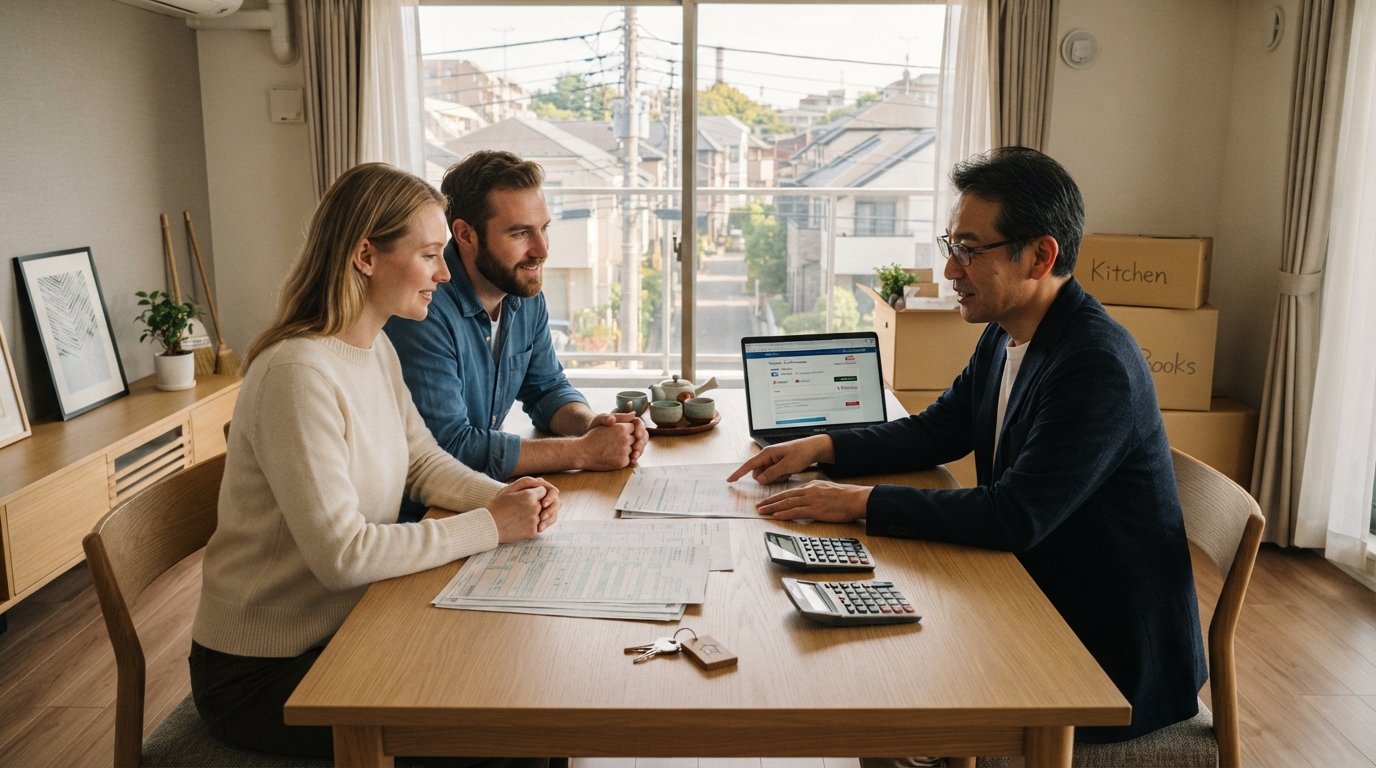
Do I have to pay gift tax in Japan if my parents send money for a house?
Yes, potentially: when you receive money or property from an individual, Japan treats you as the taxpayer, and a home down payment from your parents is a classic example. The National Tax Agency's English page on when gift tax is imposed states that a gift tax is imposed when you receive properties donated by individuals, while property donated by a corporation such as a company is subject to income tax instead of gift tax.
That means the question is not whether your parents pay something at home; it is what Japan expects from you once the funds arrive. Whether you actually owe anything depends on the size of the gift, the exemptions you qualify for, and your residency status.
How much can family give before gift tax in Japan applies?
Each recipient gets an annual basic exemption under the standard calendar-year system, and only the total received above it in a calendar year is taxed. Gifts from every individual donor in the same year are added together before the exemption is applied, so splitting a down payment between two parents does not double the allowance.
Above the exemption, the rates are progressive and climb quickly, which is why a single large transfer for a home can produce a surprisingly large bill. Japan also applies a separate, generally lighter rate table to gifts from parents or grandparents to adult children and grandchildren than to gifts from other relatives or friends. Because the exemption amount and rate brackets are set by statute and revised from time to time, check the current figures on the National Tax Agency's site before you set the size of a gift.
There is also an alternative regime. The National Tax Agency's overview of the settlement-at-inheritance system describes it as a system of taxation for gift tax and inheritance tax, under which certain gifts from parents or grandparents are later folded into the inheritance calculation rather than being taxed only as a standalone gift. It can suit families planning a large transfer, but it changes how later inheritance is calculated, so it is worth weighing with a tax adviser.
Are there special allowances that lower gift tax for buying a home?
Yes: Japan has a housing-acquisition fund exemption for money from parents, grandparents or other lineal ascendants used to buy, build or substantially renovate your own home, and a separate spouse allowance for gifting a residence between long-married couples. Both can sit on top of the annual basic exemption.
These allowances come with conditions on the recipient, the property and the timing of the purchase, and the limits have been changed many times. They are also not automatic: you generally have to file a gift tax return claiming them, even if the result is that no tax is due. Treat the details as something to confirm for the year of your gift rather than a number to remember.
Does my visa or residency status change what I owe?
Yes: how long you have lived in Japan and what kind of status you hold can decide whether money sent from abroad is taxable in Japan at all. In broad terms, residents on longer-term or family-based statuses can be taxed on gifts of assets anywhere in the world, while some temporary residents are taxed only on assets located in Japan.
Leaving Japan does not always end the exposure either. PwC's Japan tax summary on gift and inheritance tax notes that the transfer of overseas assets to a Japanese national heir or donee who is not a resident of Japan, but who has had a jusho (domicile) in Japan within the ten years before the gift, is subject to Japan gift and inheritance tax. The rules for foreign nationals follow similar look-back logic, so a recent move in or out of Japan is worth flagging to an adviser.
When we put together our settling-in guides, tax is one of the areas where readers' situations diverge most by visa type. The same overseas transfer can be out of scope for one reader and fully taxable for another, which is why we organize our checklists around your visa rather than a single generic rule.
When do I file, and how do I avoid a surprise assessment?
File a gift tax return in the year after you receive the gift whenever the total is above the basic exemption or you are claiming a special allowance, and pay any tax due by the same deadline. The National Tax Agency publishes the filing window each year.
To avoid surprises, plan the gift before the money moves:
- Decide who is giving, how much, and in which calendar year.
- Check whether the housing-acquisition or spouse allowance fits your purchase and timeline.
- Keep records of the transfer, its purpose and the property it funded.
- Confirm your residency and visa position for gift tax Japan purposes, especially if funds come from overseas.
A short conversation with a Japanese tax accountant before signing a purchase contract usually costs far less than unwinding an unexpected assessment later.
Quick answers
Is a loan from my parents treated as a gift?
A genuine loan with documented repayment is not a gift, but an informal arrangement with no real repayment can be treated as one, so put any family loan in writing and repay on schedule.
Does money my employer gives me count?
No. Property from a corporation is taxed as income rather than under gift tax.
Can my parents spread the gift across several years?
They can give in separate years, but each year is assessed on its own, and gift tax Japan rules look at the real substance of the arrangement, so plan any multi-year approach with an adviser.